Creating
Smart Places
DSA is a small landscape architecture practice based in Nottingham. We work at scales from the smallest courtyard to extensive landscape planning.
A team of talented people, united by a shared passion for creating exceptional places that inspire and connect.
Find out more about our studio and philosophy in creating thoughtful and enduring landscapes.
A selection of projects reflecting our responsive approach and positive impact on the landscape.
Landscape Architects
+ Urban Designers
We believe in great design and look to strengthen the connection between people and their environment. DSA is unashamedly based in science, rooted in function and looks to art to engage people and create uniqueness. We design responsibly, with long-term impact in mind.
Featured Projects
A selection of featured projects that reflect our approach to thoughtful, site-responsive design.
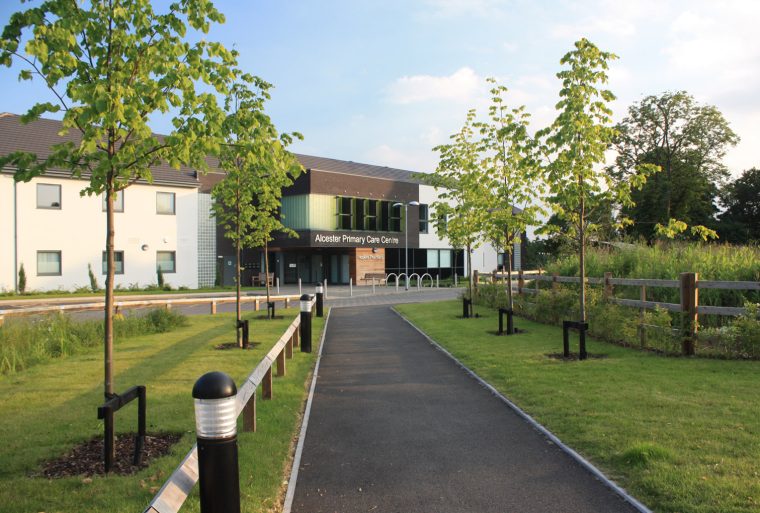
Alcester Primary Care Centre
Alcester, Warwickshire
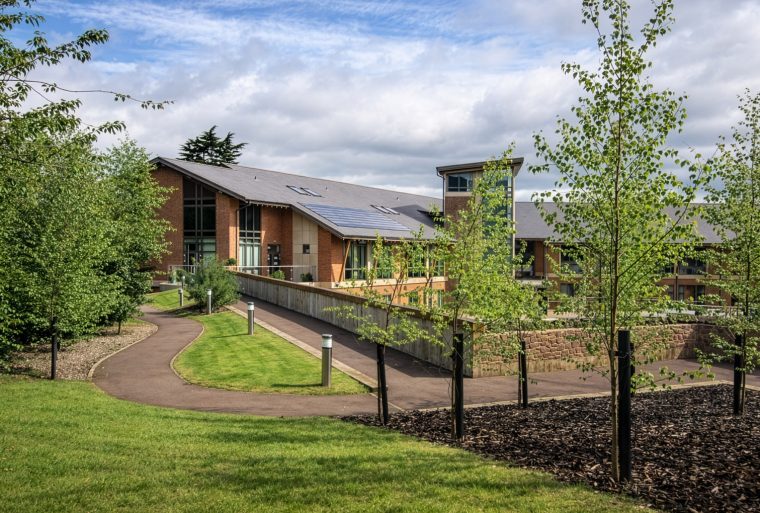
Malvern Community Hospital
Worcestershire
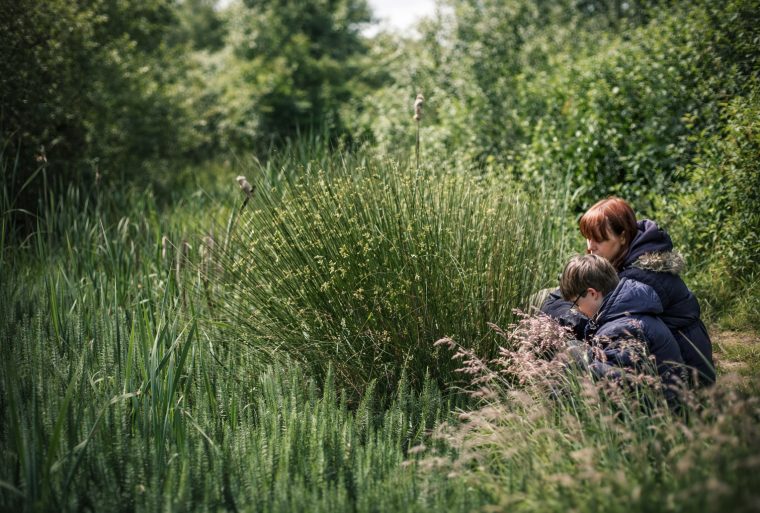
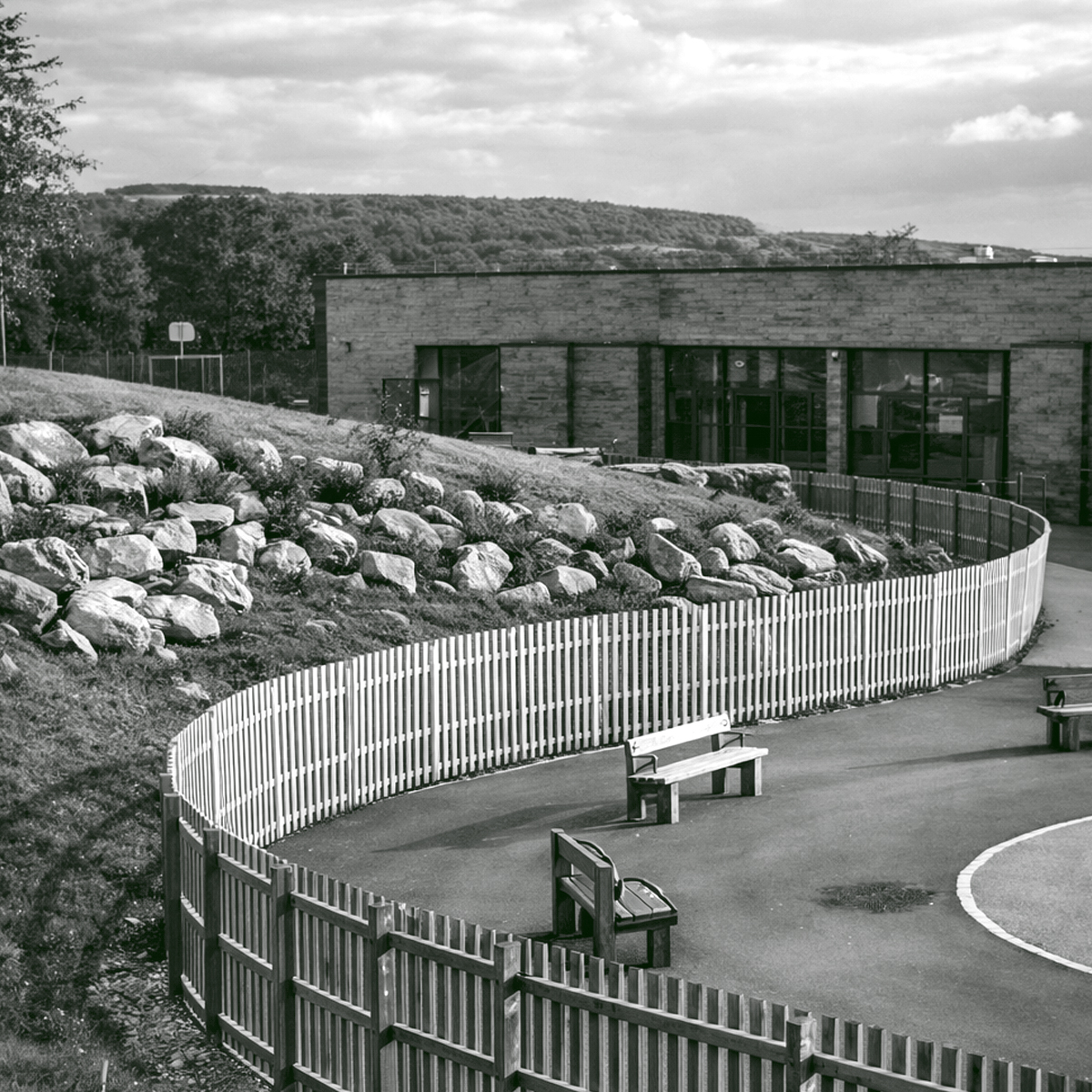
Forest Way (SEN) School
Coalville, Leicestershire
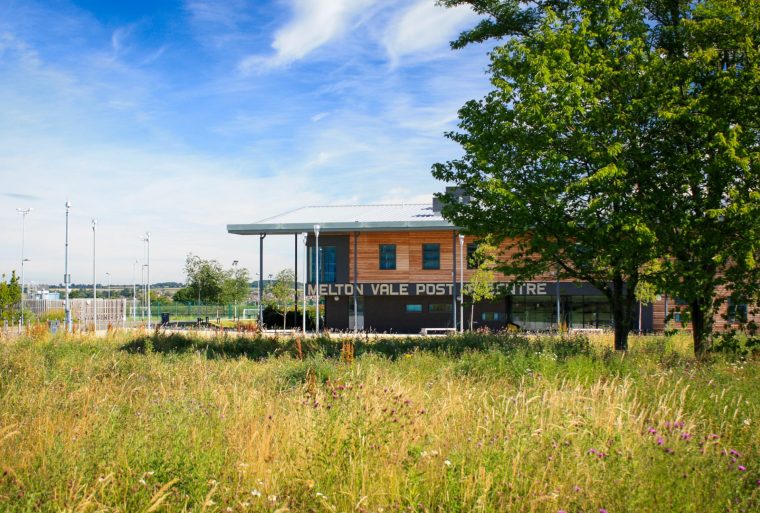
Melton Vale Sixth Form College (MV16)
Melton Mowbray, Leicestershire
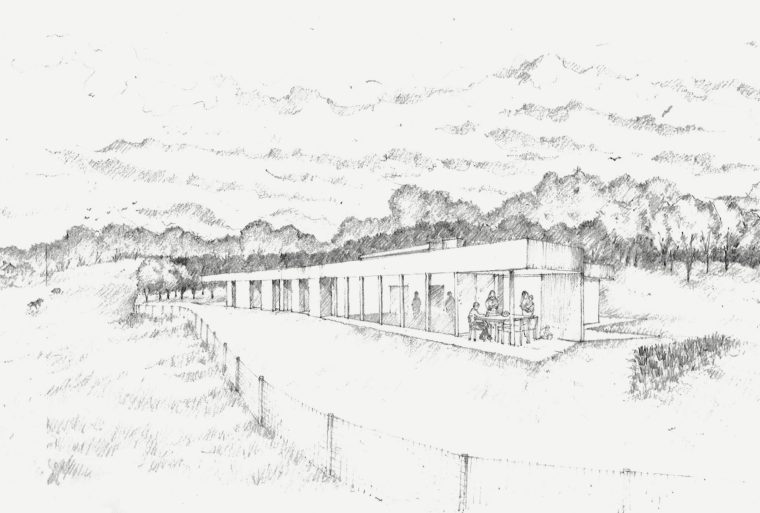
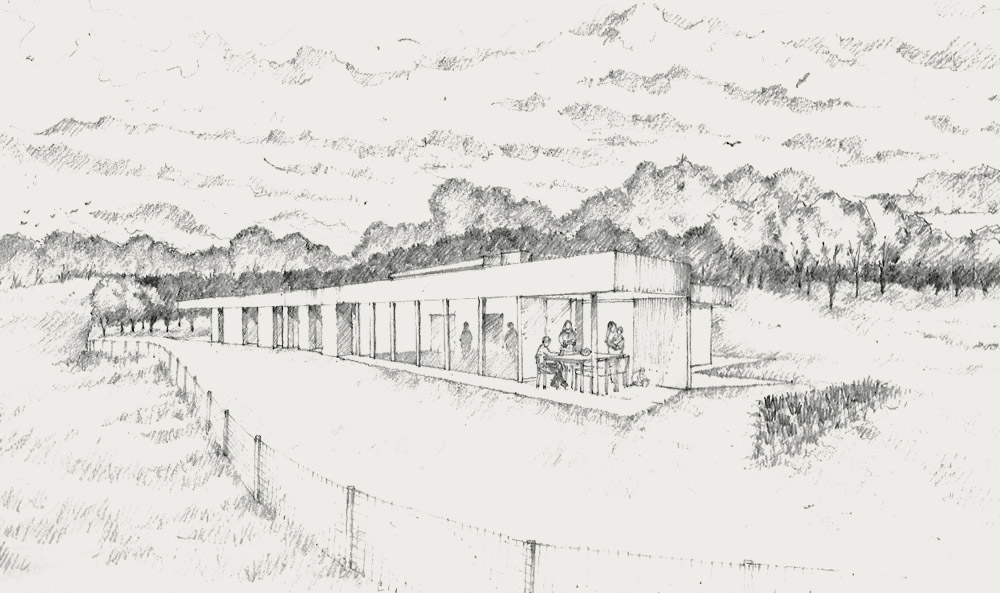
Fieldfare House
Near Market Harborough, Northamptonshire
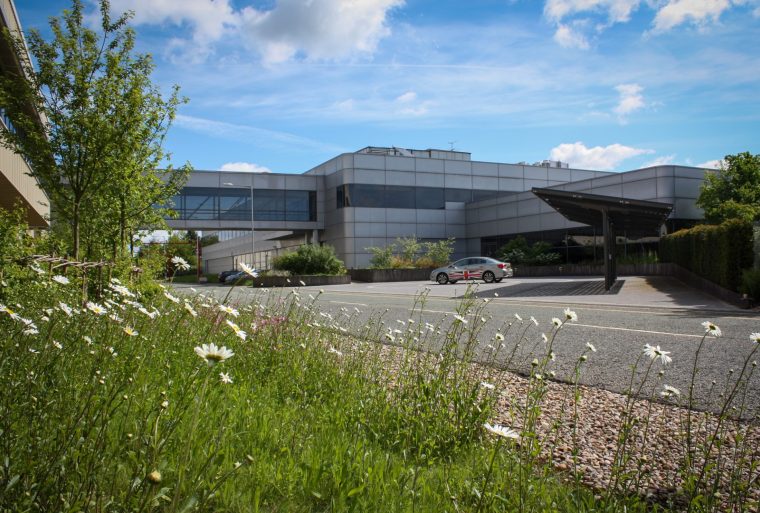
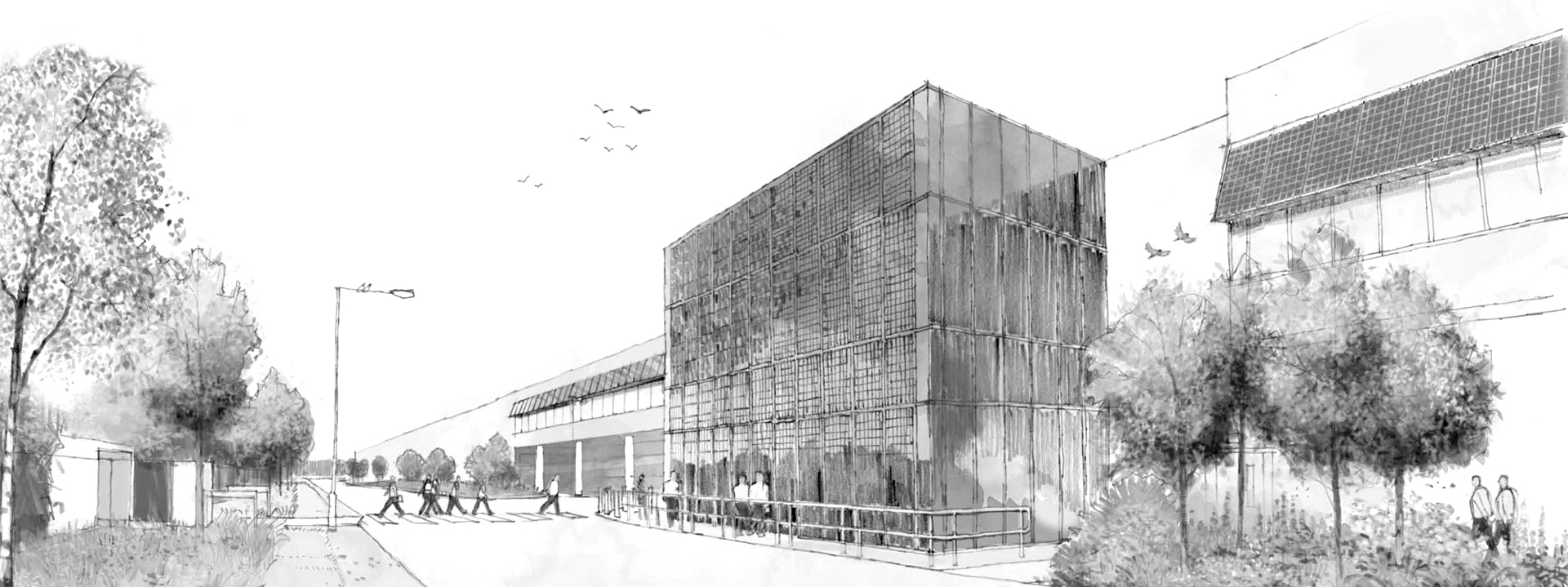
Toyota Sustainable Plant
Burnaston, Derbyshire
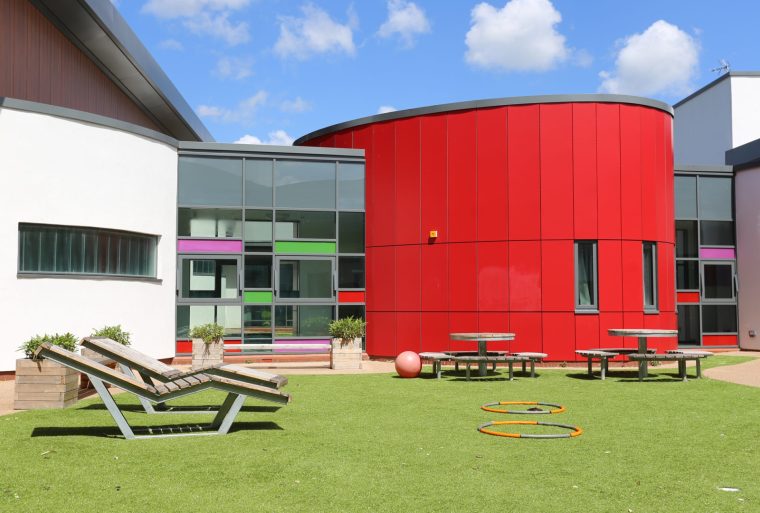
Ancora House (CAMHS)
Countess Of Chester Health Park, Cheshire
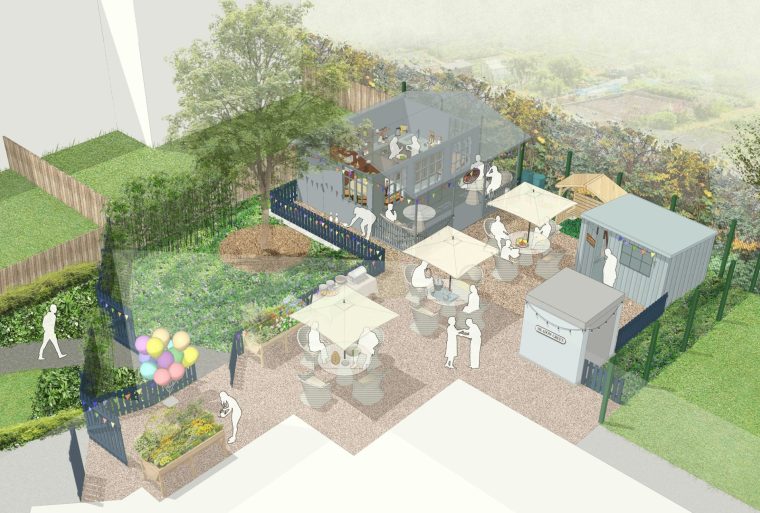
Meadow Green ‘Outdoor Dementia Ward’
Princess of Wales Hospital, Bromsgrove, Worcestershire
Our Expertise
We offer a comprehensive range of expertise, including initial site analysis and concept design, landscape planning and landscape management.
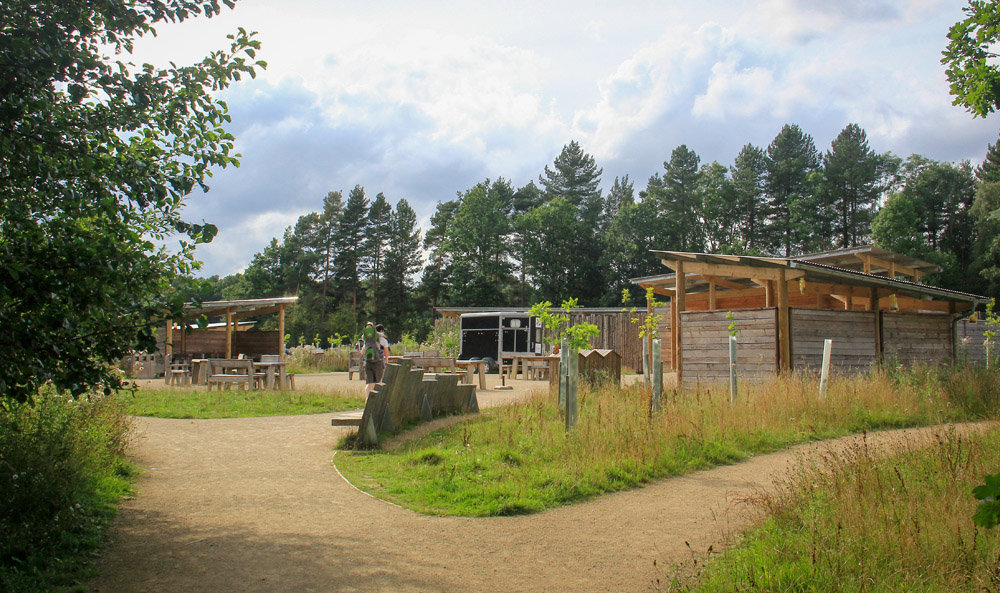
We provide landscape proposals across a wide range of scales and sectors, from therapeutic gardens and energy infrastructure to schools and industrial developments, creating landscapes that are functional, resilient and distinctive. Our work responds carefully to context, ecology and community needs, embedding sustainable drainage, biodiversity enhancement and long-term management principles into every scheme.
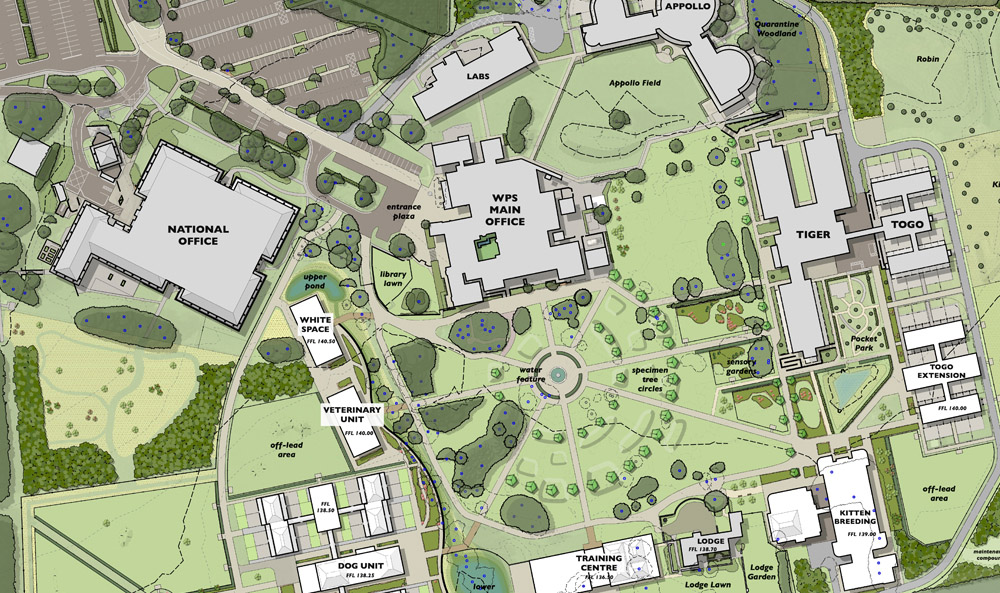
We bring extensive experience in masterplanning residential and commercial developments, guided by the principles of guided by the principles of Homes England’s ‘Building for a Healthy Life’, for whichDavid Singleton was an author, and a stron commitment to placemaking. Our masterplans establish clear landscape structures, movement networks and green infrastructure frameworks that support healthy, connected communities. Working collaboratively with multidisciplinary teams, we create deliverable strategies that prioritise walkability, character and environmental responsibility.
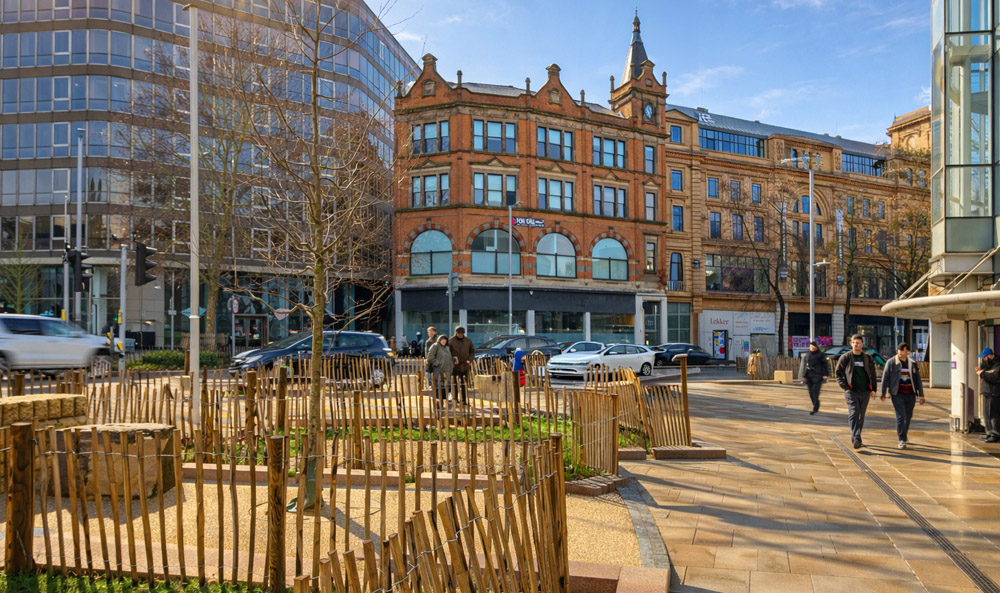
We deliver high-quality, sustainable urban design solutions focused on people and place, creating legible streets and welcoming public spaces that encourage activity and interaction. Through careful analysis of context, heritage and movement, we develop proposals that respond sensitively to their setting while addressing climate resilience and sustainable transport.
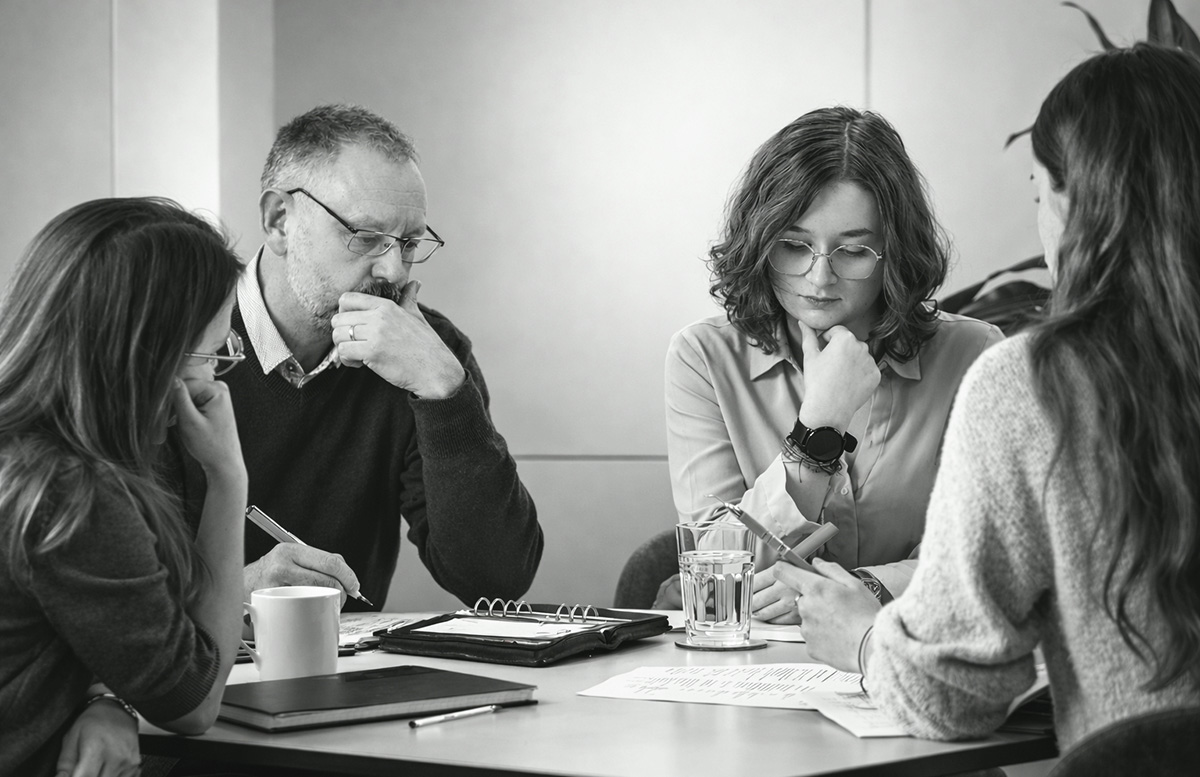
We provide specialist expertise in Landscape and Visual Impact Assessment (LVIA) and neighbourhood planning, supporting development that respects landscape character and visual amenity. Our work combines rigorous analysis with clear reporting to inform planning strategies and successful applications. By identifying sensitivities and opportunities, we ensure proposals are well-integrated and supported by robust, evidence-based advice.
We are experienced in developing successful Paragraph 84 house proposals, combining architectural ambition with landscape-led design to create homes of exceptional quality in sensitive rural settings. Through detailed site analysis of landform, views and ecology, we shape proposals that respond thoughtfully to their surroundings.